
Caribbean Cup of Tea · Caribbean Classroom
Saint Lucia
A volcanic island of the Pitons that changed hands 14 times and produced two Nobel laureates.
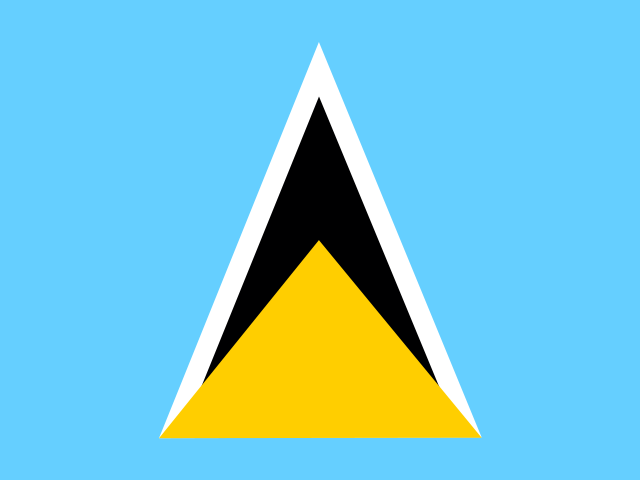
Key facts
- Capital
- Castries 1,2
- Population
- About 168,000 (2024 estimate) 1
- Area
- 616 sq km 1
- Highest point
- Mount Gimie, about 950 m 1,2
- Independence
- 22 February 1979 (from the United Kingdom) 1
- Languages
- English (official); Saint Lucian Kwéyòl is widely spoken 2
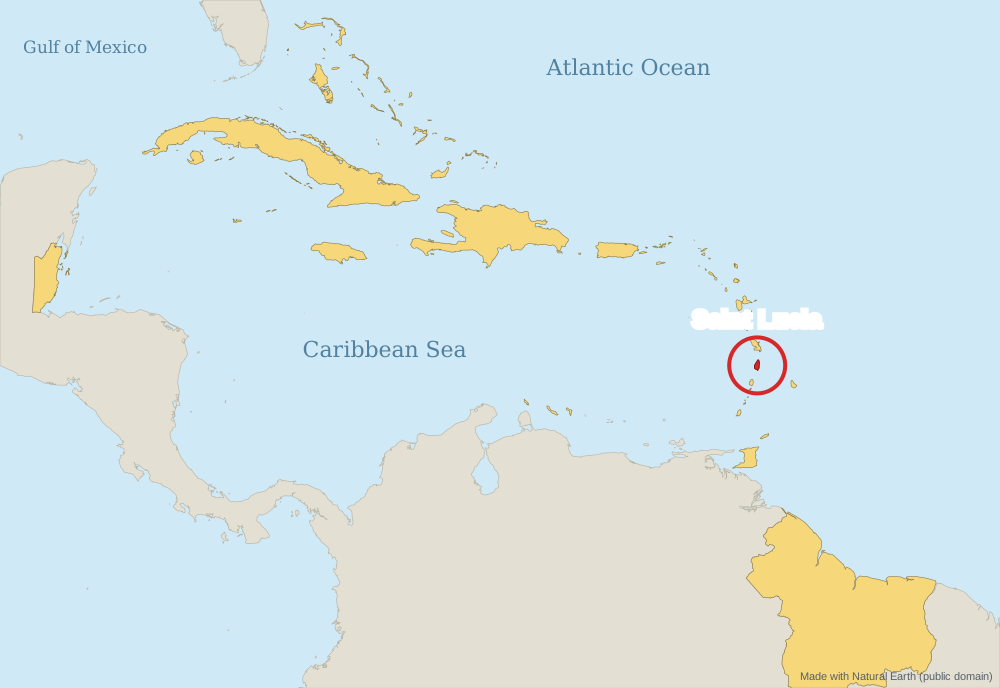
Did you know?
- Saint Lucia is a green, mountainous island. Its capital is Castries.
- The two Pitons are famous volcanic peaks.
Key dates
- 1814 After changing hands between France and Britain 14 times, the island becomes British for good.
- 1967 “Sons and Daughters of Saint Lucia” is adopted as the anthem.
- 22 February 1979 Saint Lucia becomes independent.
- 1979 W. Arthur Lewis wins the Nobel Prize in Economics.
- 1992 Derek Walcott wins the Nobel Prize in Literature.
- 2024 Julien Alfred wins Olympic gold in the 100 m, the country's first Olympic medal.
Symbols
- Motto: “The land, the people, the light”
- National anthem: “Sons and Daughters of Saint Lucia”: words by Charles Jesse, music by Leton Felix Thomas.
- National bird: The Saint Lucia amazon (a parrot found only on the island).