
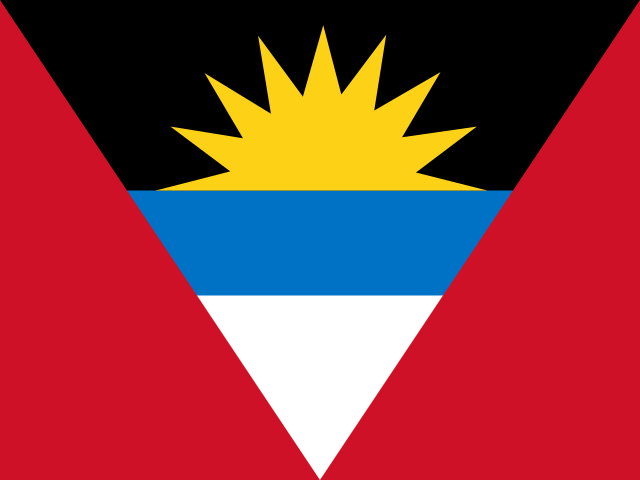
Antigua and Barbuda
News, entertainment, anthem and a short visitor guide.
Anthem
Recording: United States Navy Band · Public domain (U.S. government work) · Source: Wikimedia Commons
Visitor guide
History
Antigua became an English colony in 1632 and grew into a major sugar island worked by enslaved Africans. Britain's navy based its Caribbean fleet at English Harbour, and the twin-island nation became independent in 1981.
Culture
Antigua Sailing Week and the summer Carnival are the biggest events on the calendar. Cricket is a passion, and the islands have produced West Indies greats such as Sir Viv Richards.
Languages & Creoles
English is the official language. Antiguan and Barbudan Creole is widely spoken day to day.
Currency
The Eastern Caribbean dollar (XCD), fixed at about 2.70 to the US dollar.
Popular Attractions
Antigua is said to have 365 beaches, one for every day of the year. Nelson's Dockyard, a UNESCO World Heritage Site, and the views from Shirley Heights are highlights.
Food
The national dish is fungie (cornmeal) with pepperpot. Ducana, saltfish and the sweet Antigua Black pineapple are local favourites.
Places to Visit
St John's, English Harbour, Shirley Heights, Dickenson Bay, Half Moon Bay and Barbuda's pink-sand beaches and frigate bird colony.
More of the Caribbean
English-speaking Caribbean
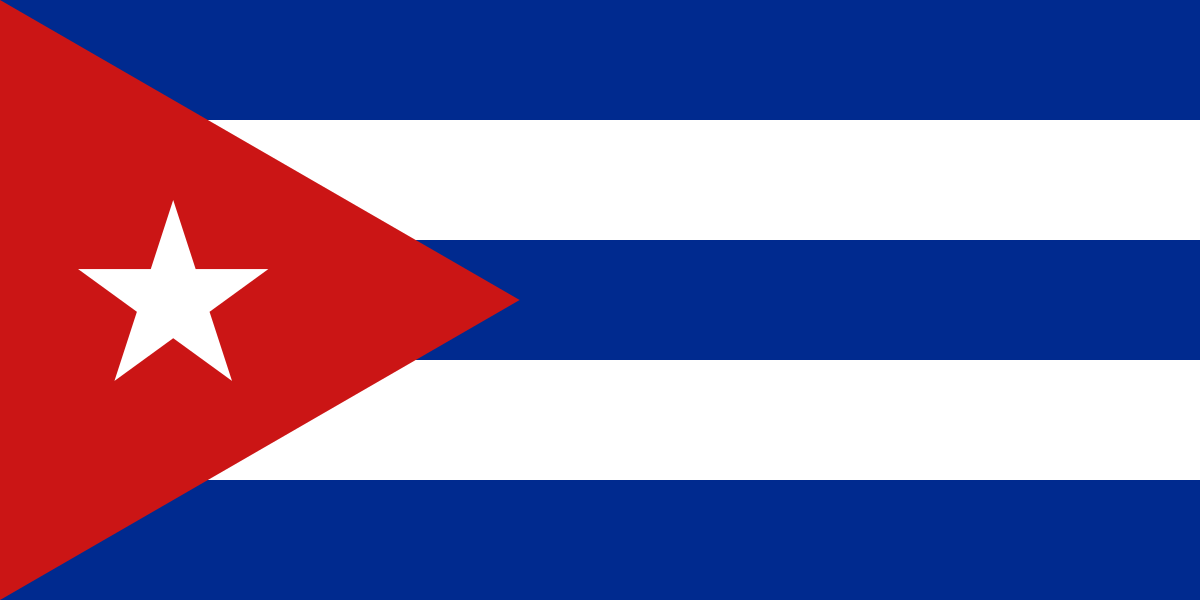
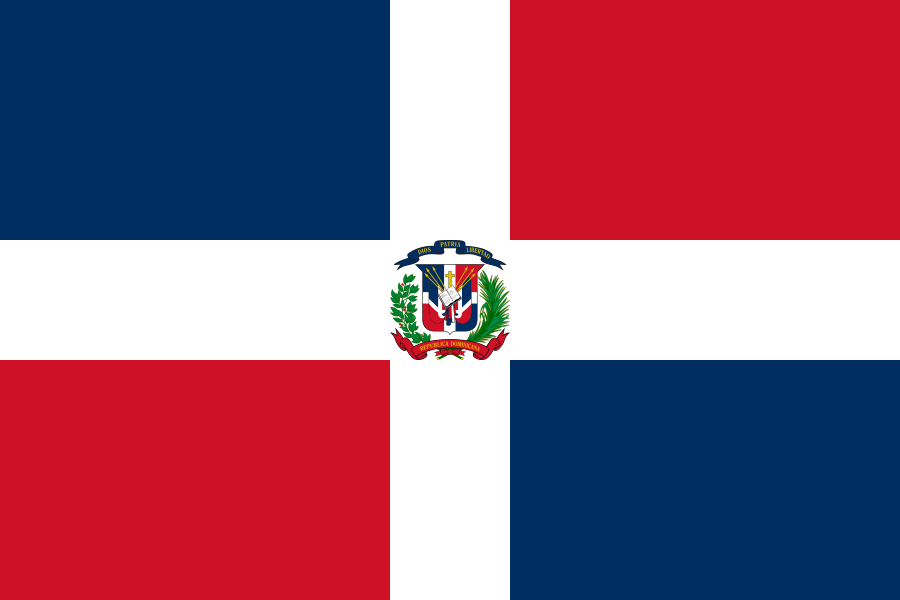
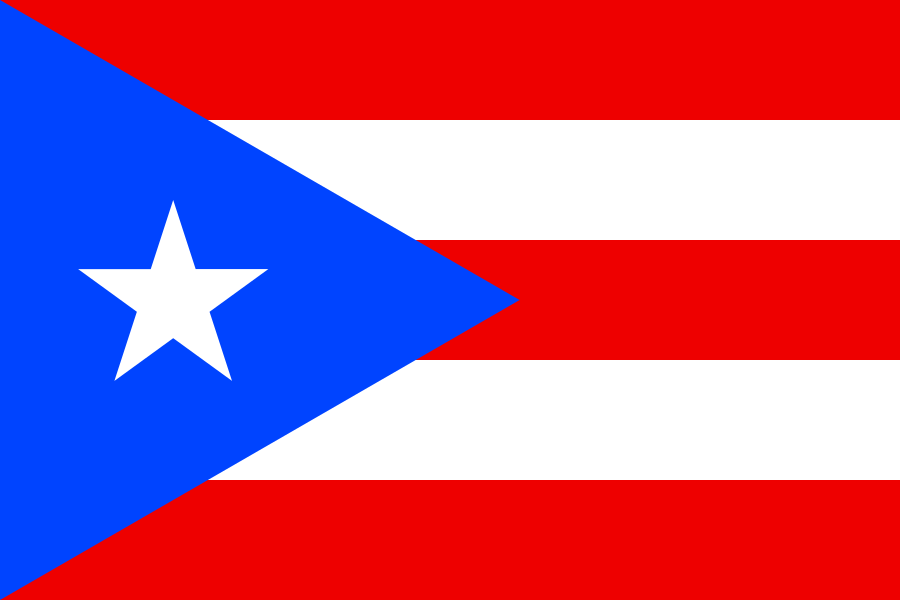
Spanish-speaking Caribbean
French-speaking Caribbean
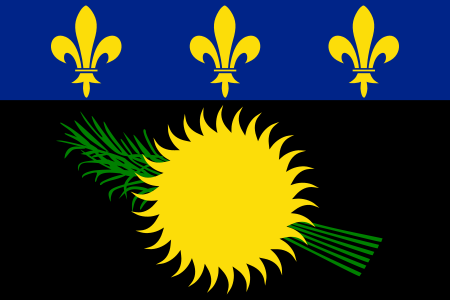
Dutch-speaking Caribbean
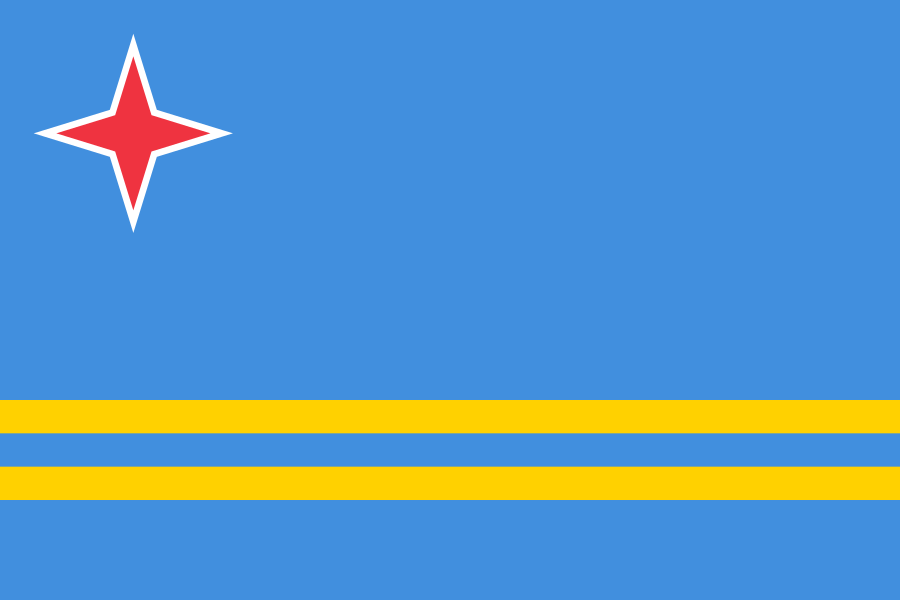
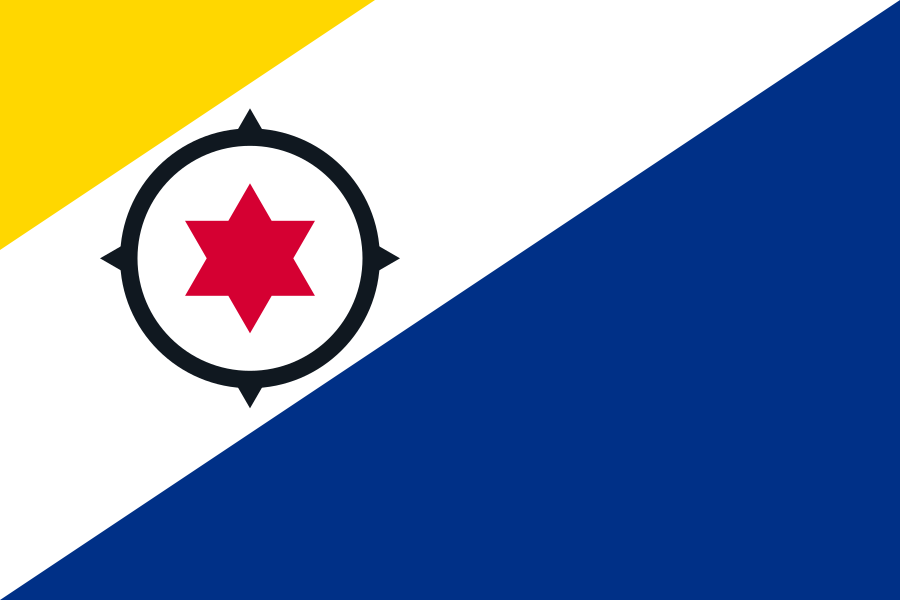
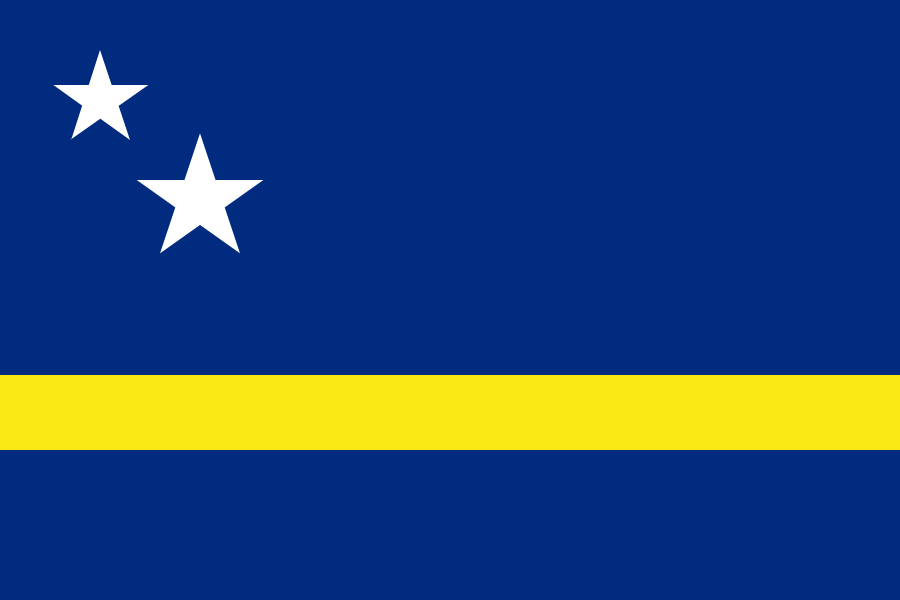
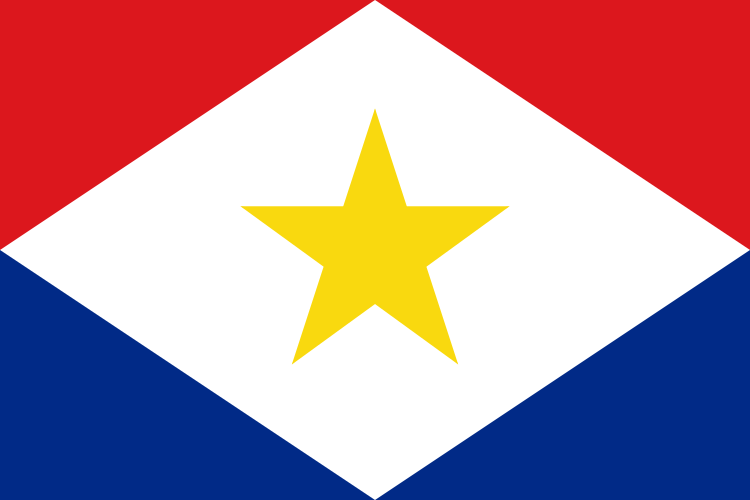
Additional Caribbean Coastal Areas
 Colombia—Caribbean coast; San Andrés and Providencia
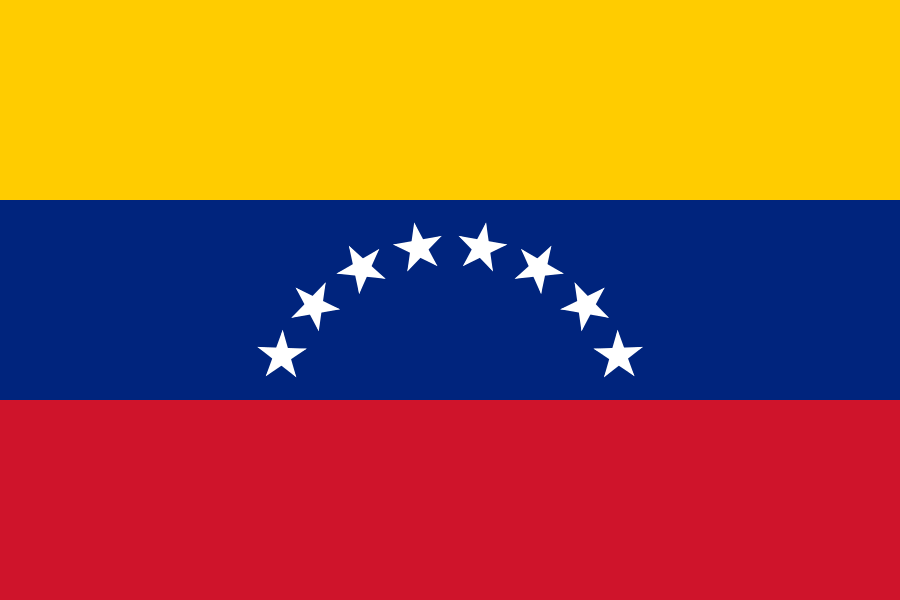 Venezuela—Caribbean coast and islands
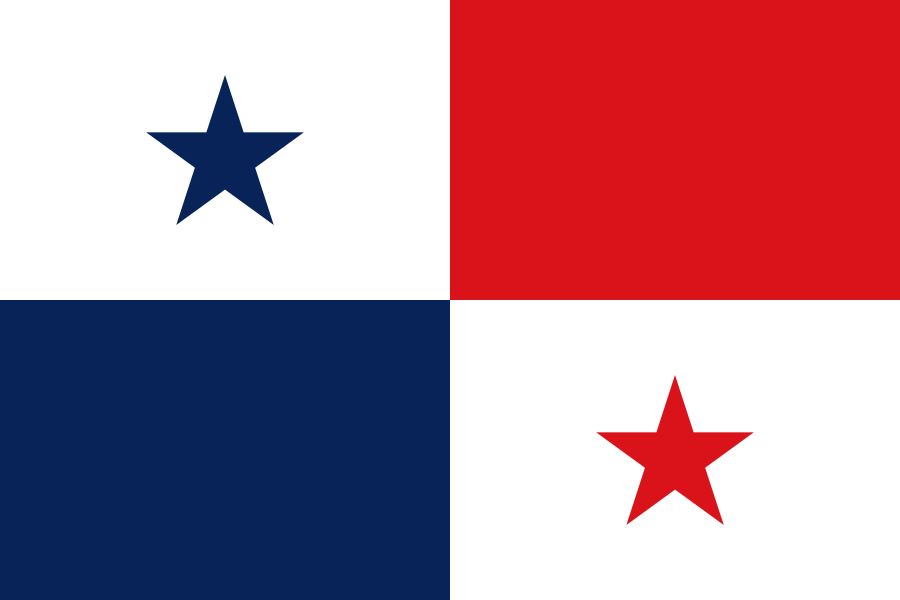 Panama—Caribbean coast; Bocas del Toro
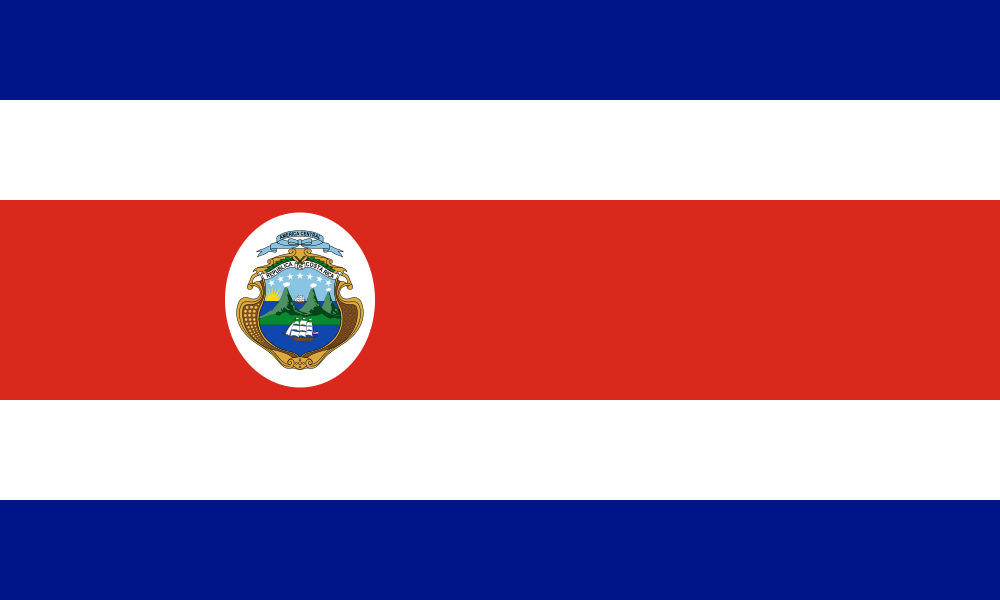 Costa Rica—Caribbean coast; Limón
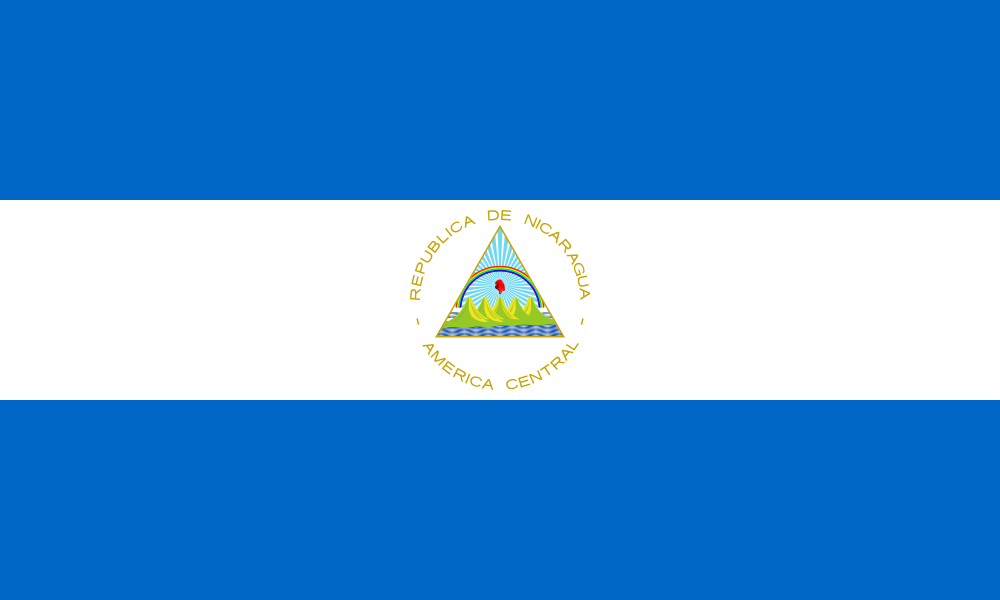 Nicaragua—Caribbean coast; Corn Islands
 Honduras—Caribbean coast; Bay Islands
 Guatemala—Caribbean coast; Livingston
 Mexico—Caribbean coast; Cozumel and Isla Mujeres