
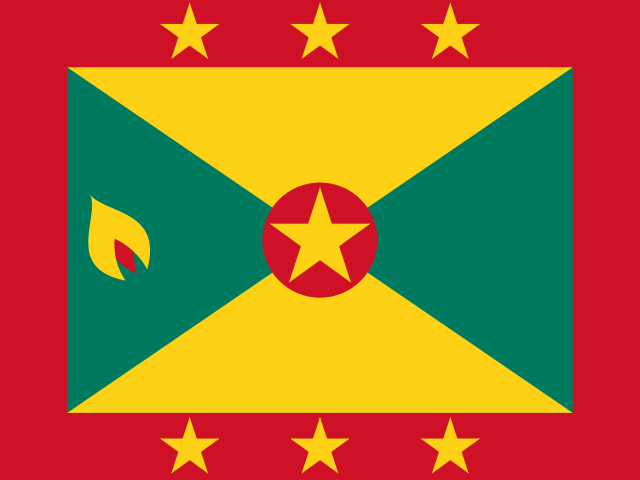
Anthem
Recording: Wikimedia Commons user Zuanzuanfuwa · Public domain (released by the author) · Source: Wikimedia Commons
Visitor guide
History
Grenada was colonised by France and then Britain, and became independent in 1974. A 1979 revolution and the 1983 US-led intervention are key chapters in its modern history.
Culture
Spicemas, Grenada's carnival in August, is famous for its Jab Jab revellers covered in oil. Carriacou keeps African heritage alive in the Big Drum dance.
Languages & Creoles
English is the official language. Grenadian Creole English is spoken daily, and some older people speak a French-based creole.
Currency
The Eastern Caribbean dollar (XCD), fixed at about 2.70 to the US dollar.
Popular Attractions
Known as the Spice Isle, Grenada grows nutmeg, cinnamon and cocoa. Grand Anse Beach, the Underwater Sculpture Park and the Grand Etang rainforest are highlights.
Food
The national dish is oil down, a one-pot stew of breadfruit, salted meat, dumplings and callaloo cooked in coconut milk. Nutmeg ice cream and local chocolate are treats.
Places to Visit
St George's, Grand Anse, Grand Etang, Belmont Estate, Carriacou and Petite Martinique.
More of the Caribbean
English-speaking Caribbean
Spanish-speaking Caribbean
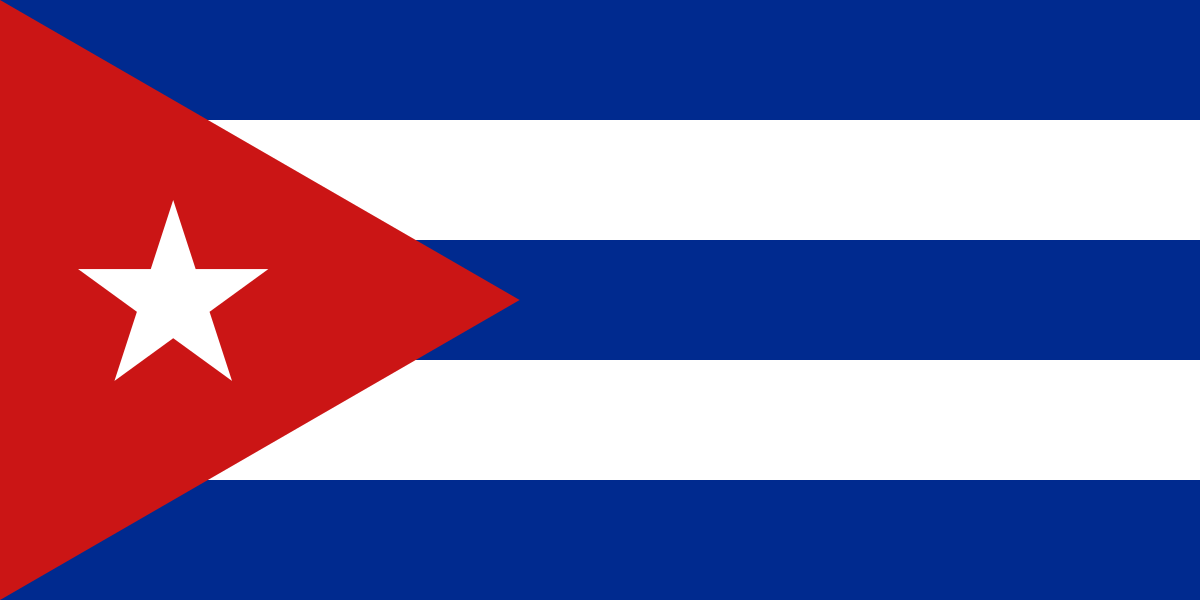
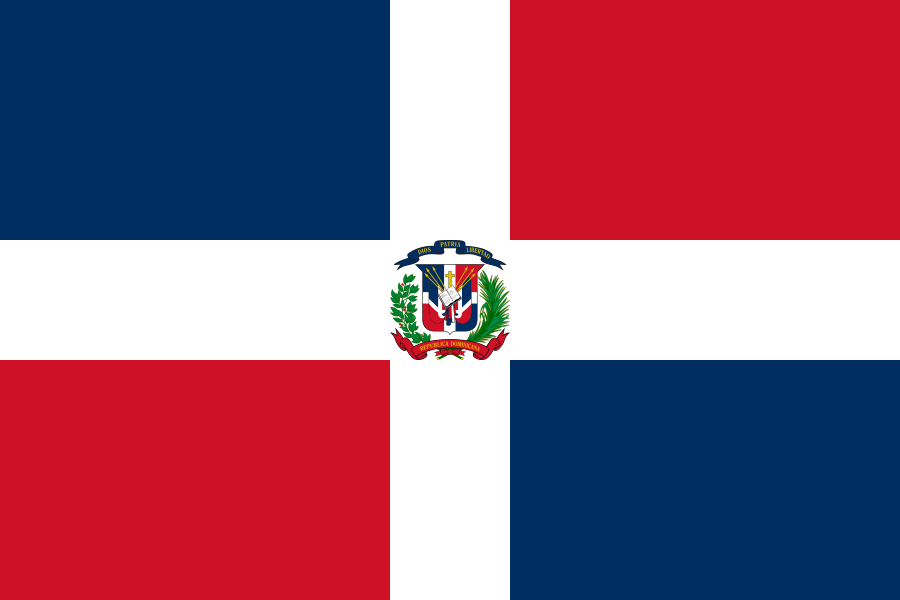
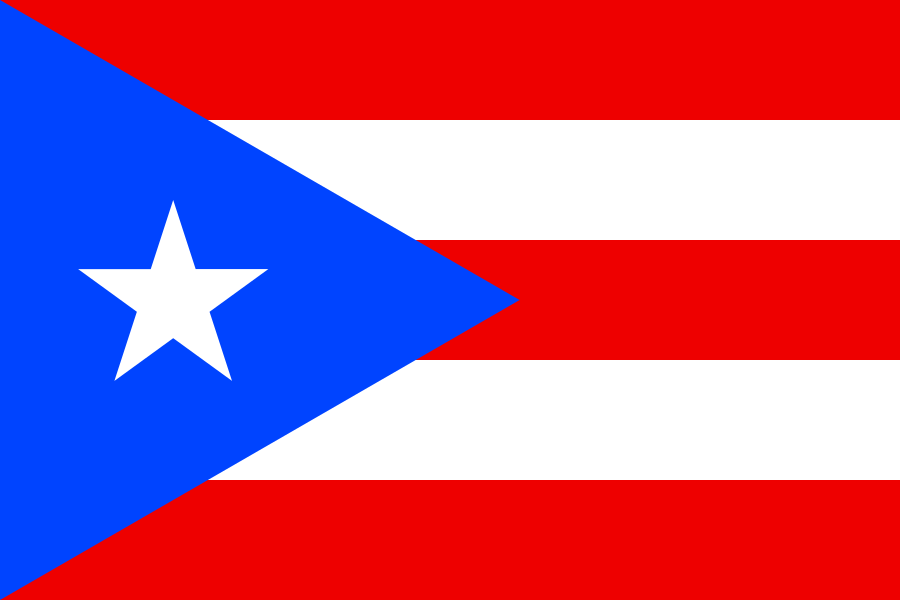
French-speaking Caribbean
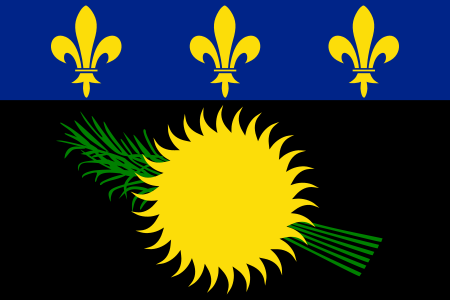

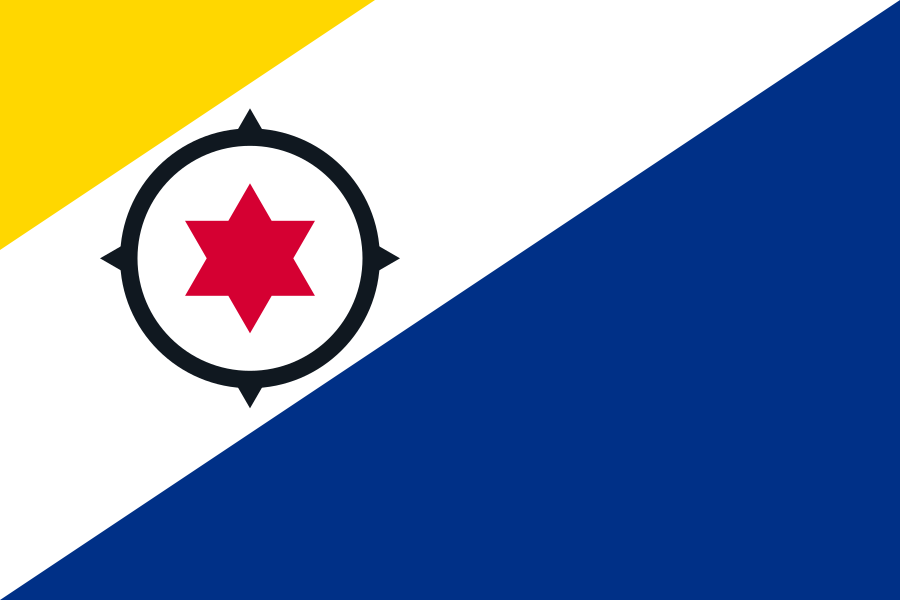
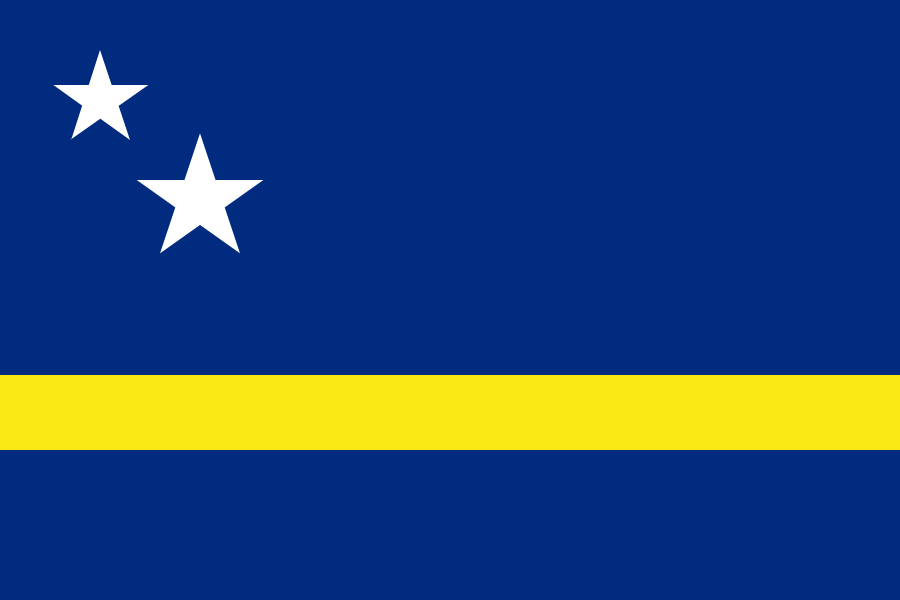
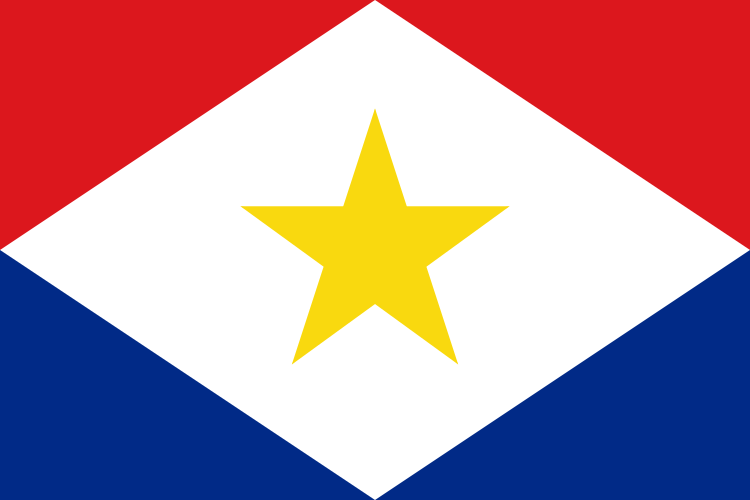
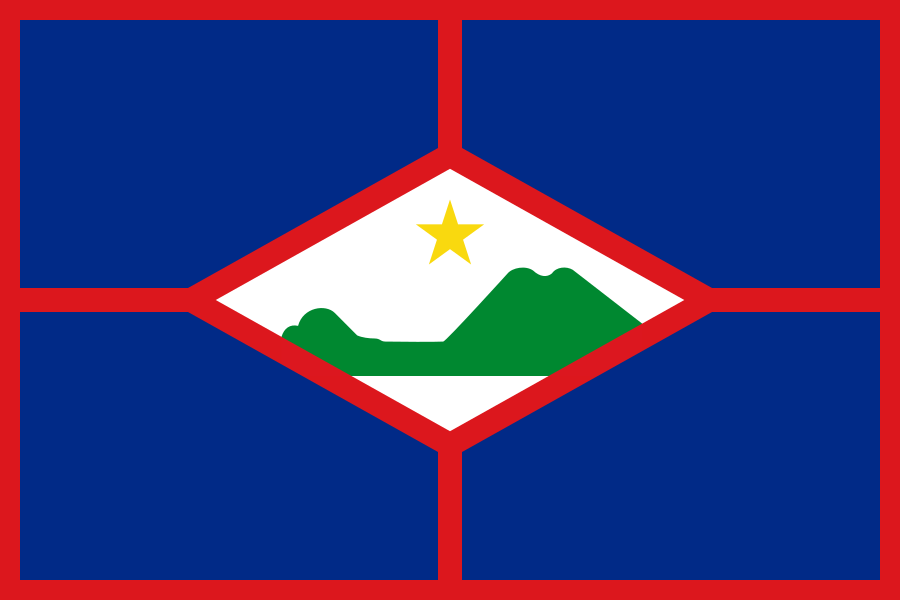
Dutch-speaking Caribbean
Additional Caribbean Coastal Areas
 Colombia—Caribbean coast; San Andrés and Providencia
 Venezuela—Caribbean coast and islands
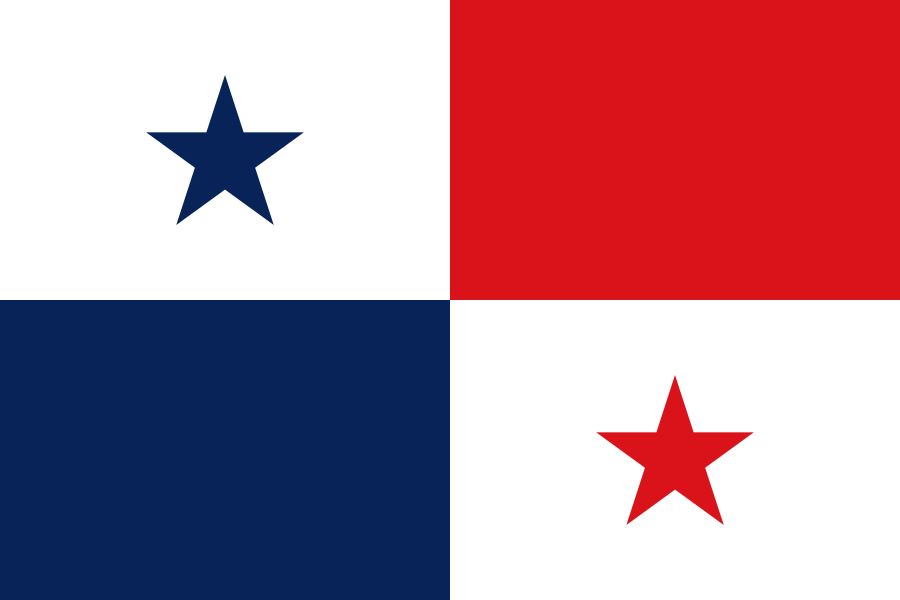 Panama—Caribbean coast; Bocas del Toro
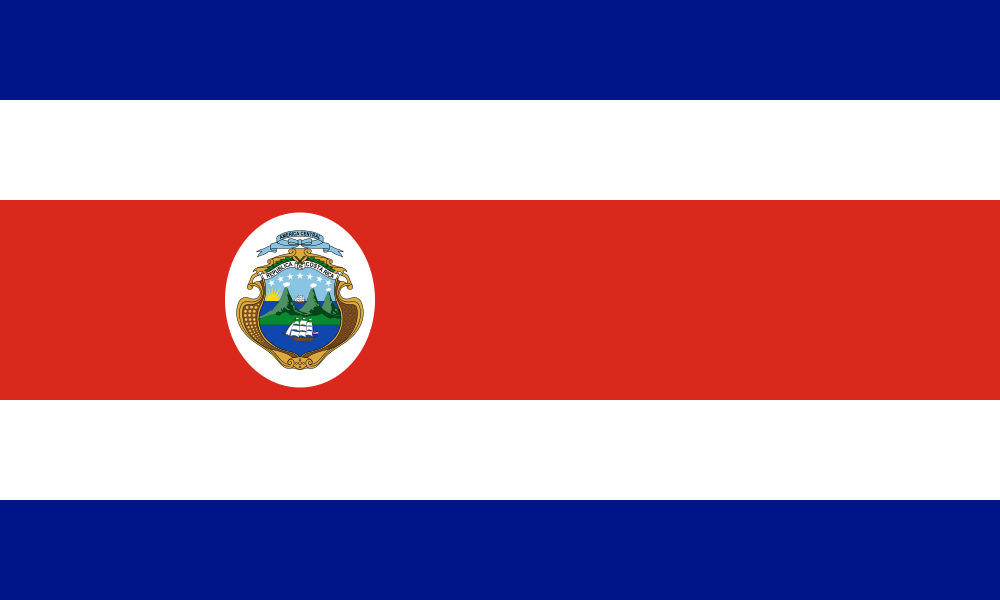 Costa Rica—Caribbean coast; Limón
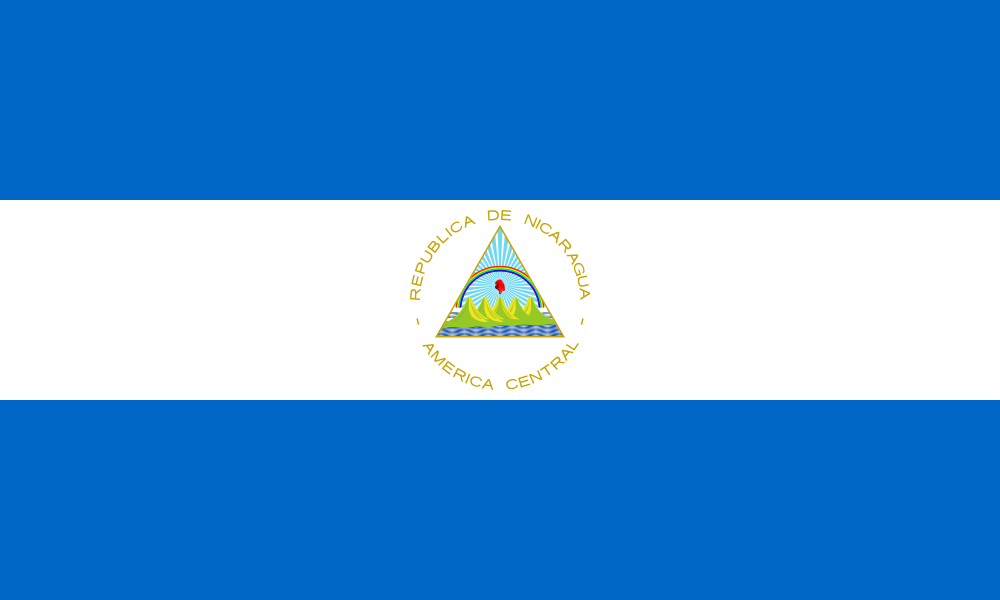 Nicaragua—Caribbean coast; Corn Islands
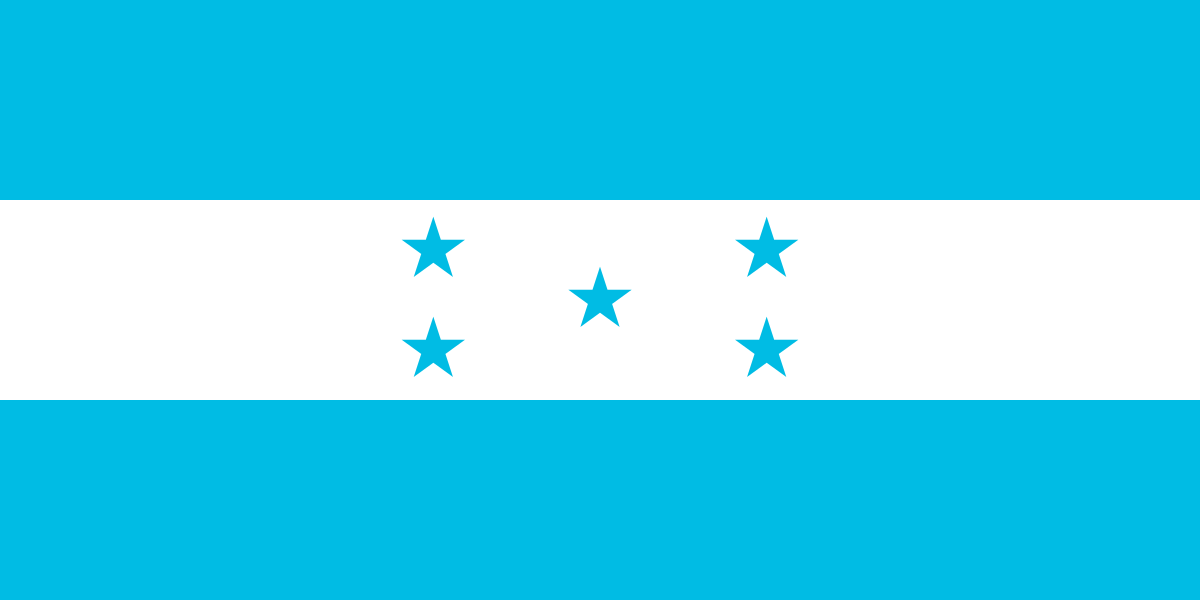 Honduras—Caribbean coast; Bay Islands
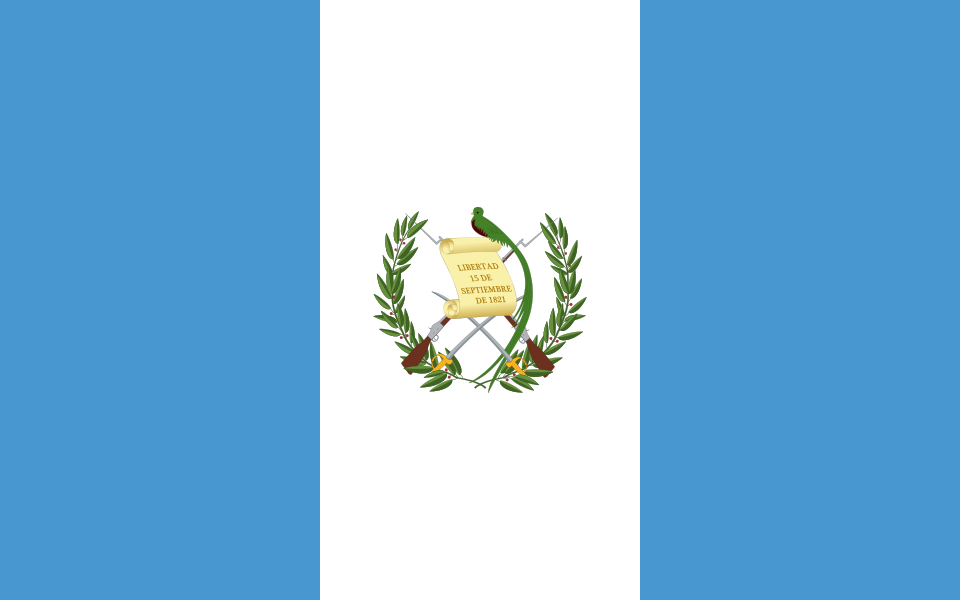 Guatemala—Caribbean coast; Livingston
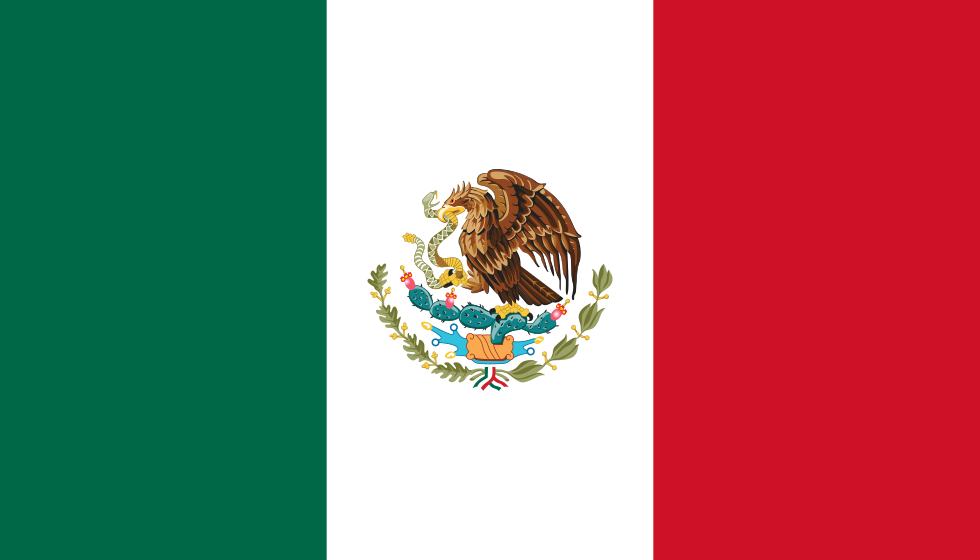 Mexico—Caribbean coast; Cozumel and Isla Mujeres